systems engineering

Systems Engineering

Development of complex systems require clear structure and coordination. Our Systems Engineering approach enables teams to manage technical complexity, control risks and deliver validated solutions, efficiently and in line with project goals. Applied across industries, tailored to your development process.


systems engineering

Structured systems engineering for scalable innovation

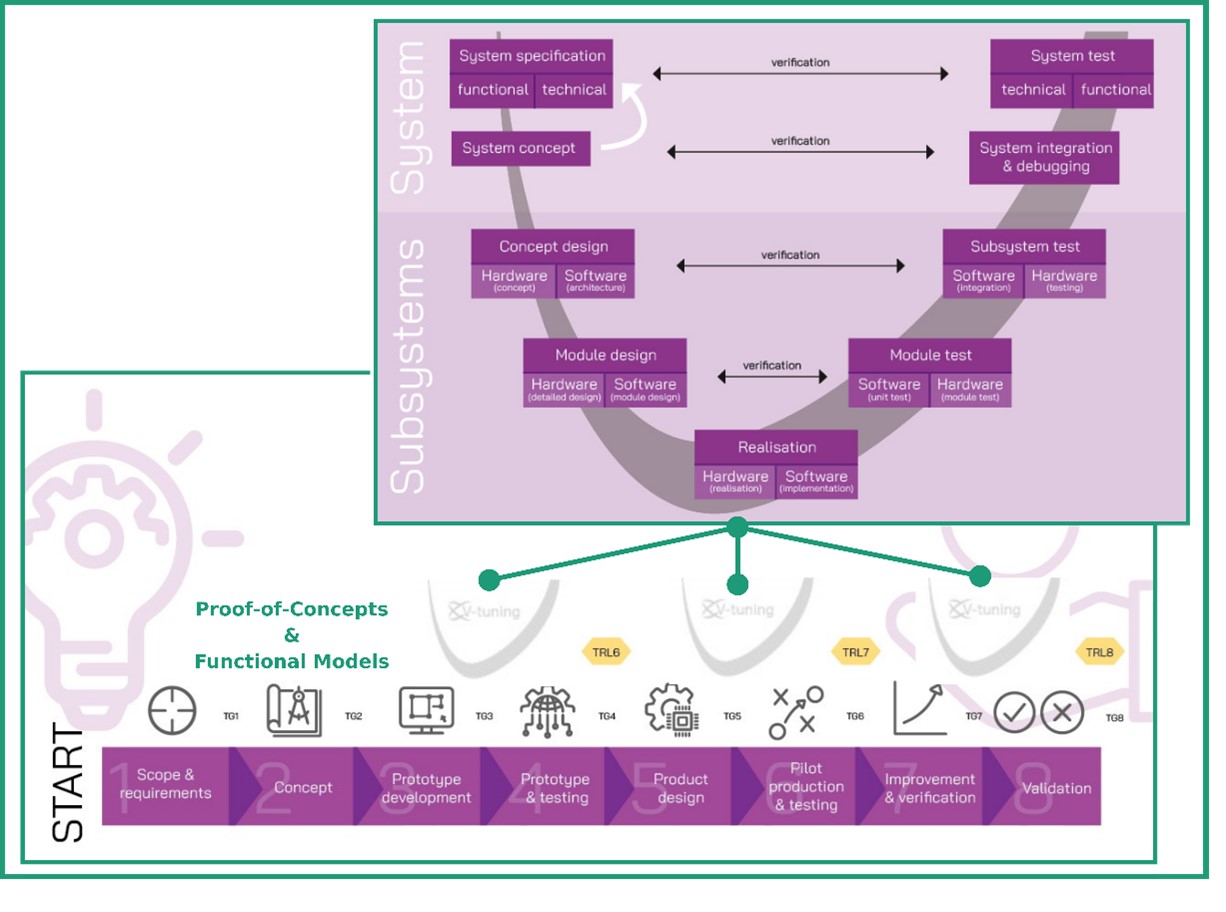
Our Systems Engineering approach is designed for flexibility and clarity in complex, multidisciplinary development. We work with waterfall, agile, risk-based or hybrid models—depending on what best fits the technical and organizational context.

We support projects from early requirement capture to architecture definition, automated testing and integration. Requirements are traceable and aligned across disciplines, supported by tooling and structured reviews. When needed system architectures are defined based on function decomposition, interfaces, and compliance with CE, Functional Safety, Cyber Security and relevant industry standards.

Risk assessment is embedded throughout development to support early design decisions and make trade-offs transparent. Root cause analysis is applied where needed to resolve failures or unexpected system behavior. Automated testing is implemented selectively to accelerate feedback loops and validation. Cross-domain coordination ensures structure and consistency in technically complex environments.

With our Systems Engineering approach, teams are able to manage technical complexity, control risks and deliver validated solutions.


Key disciplines in our approach

Early-phase Definition & Process Alignment

From customer needs to system requirements, by truly understanding the customers goals and translating that to an implementable concept for the engineers of the development team.

System Architecture & Integration

Functional decomposition and interface design across disciplines to ensure coherent, modular, and scalable system structures.

Verification & Test Automation

Designing automated test strategies to accelerate validation and maintain traceability throughout the development cycle.

Risk & Failure Analysis

Anticipating risks early and resolving technical issues through structured root cause analysis.

Compliance & Standards Management

Ensuring design conformity with CE, Functional Safety, Cyber Security, and industry-specific regulatory standards.

Early-phase Definition & Process Alignment

From customer needs to system requirements, by truly understanding the customers goals and translating that to an implementable concept for the engineers of the development team.

System Architecture & Integration

Functional decomposition and interface design across disciplines to ensure coherent, modular, and scalable system structures.

Verification & Test Automation

Designing automated test strategies to accelerate validation and maintain traceability throughout the development cycle.

Risk & Failure Analysis

Anticipating risks early and resolving technical issues through structured root cause analysis.

Compliance & Standards Management

Ensuring design conformity with CE, Functional Safety, Cyber Security, and industry-specific regulatory standards.

Industries we serve with our systems engineering expertise

  • Semiconductor
  • Mobility
  • Energy
  • Agri & food
  • Defense & Security

Applications we deliver

  • Exploration & Analysis of customer needs
  • Technical feasibility studies
  • Concept development & system design
  • Integrated risk & compliance analysis
  • Development planning & execution
  • Root cause analysis of technical failures
  • Integrated & qualified designs

Projects

Industrial systems & automation
13 November 2020

Getting grip on your development process

Read more
Industrial systems & automation
14 December 2018

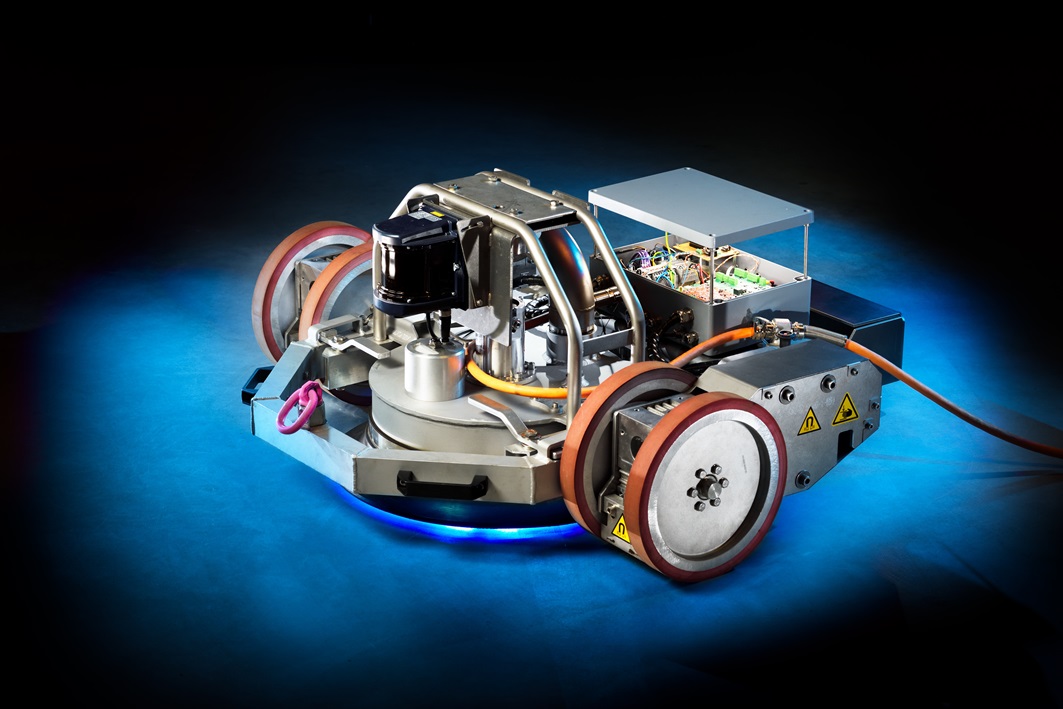
Autonomous Mobility Platform

Read more
Industrial systems & automation
14 December 2018

No man entry tank cleaning

Read more
Industrial systems & automation, Semiconductors
14 December 2018

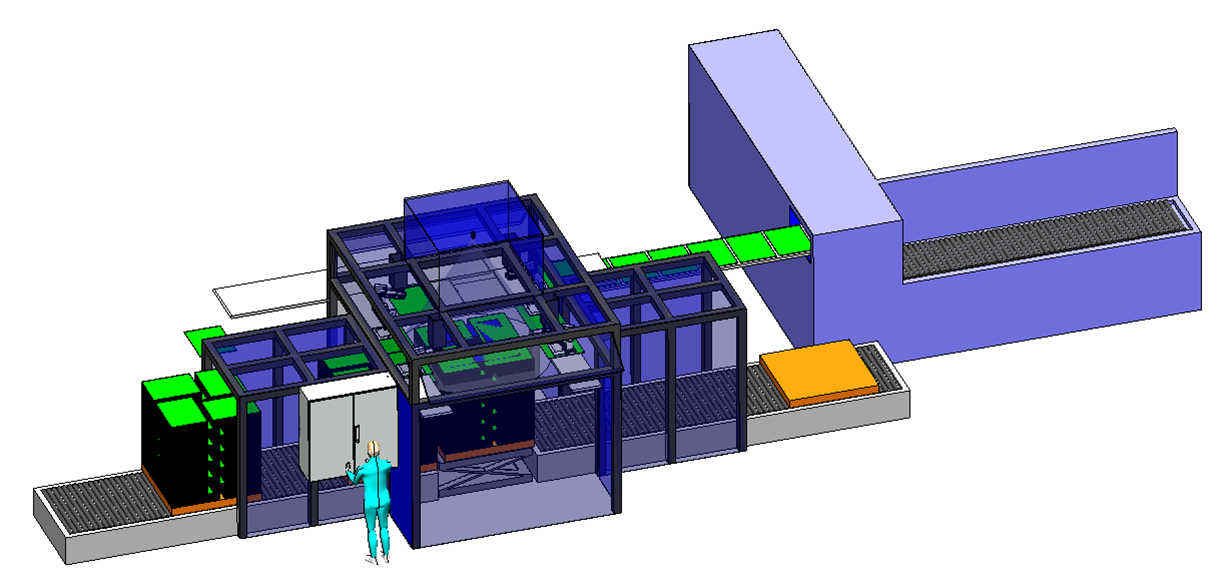
Packaging Line Feeder

Read more
Get in touch

"*" indicates required fields

This field is for validation purposes and should be left unchanged.

Can I help you?

Ruud van der Aalst

Ruud van der Aalst

Business unit director Mechanical Systems


+31 (0) 40 82 00 180

mechatronics@nobleo.nl

Trusted by industry leaders

defenture nobleo
green digger nobleo
Besi
klant tergberg nobleo
Nobleo technology

Frequently Asked Questions

How does Systems Engineering help manage complex multidisciplinary projects?

Complex projects often involve multiple disciplines, technologies and stakeholders that must work together within demanding requirements. Systems Engineering provides a structured framework for defining requirements, managing interfaces, making informed design decisions and validating system performance. By maintaining a clear overview of the complete system throughout development, it helps reduce risks, improve collaboration and ensure that all elements work together as intended. 

How does Nobleo Technology ensure requirements remain traceable throughout development?

Requirements often evolve throughout a project. Traceability helps maintain visibility of how requirements relate to system architecture, implementation and verification activities. This makes the impact of changes easier to assess, reduces the risk of overlooked requirements and helps demonstrate that the final system meets its intended objectives. 

Can Systems Engineering be integrated into our existing development process?

Yes. Our Systems Engineering is intended to strengthen existing development processes rather than replace them. The principles can be applied within a wide range of development approaches, from traditional stage-gate projects to agile and hybrid environments. By introducing structure around requirements, architecture, interfaces and verification, Systems Engineering helps teams manage complexity while remaining aligned with established ways of working. 

How does Systems Engineering support compliance with CE, Functional Safety and Cyber Security requirements?

Compliance requirements are considered throughout the development process rather than only at the end of a project. We incorporate relevant standards into the system architecture, risk assessments and verification activities, helping ensure designs meet regulatory and industry-specific requirements while maintaining technical performance. 

How do verification and test automation improve product development?

Verification demonstrates that a system meets its requirements, while test automation allows tests to be executed efficiently and repeatedly throughout development. Together, they enable continuous feedback on product performance, improve requirements traceability and support faster identification of issues and regressions. This helps reduce development risk, minimise rework and increase confidence that the final product will perform as intended. 

Can Systems Engineering help improve existing products as well as new developments?

Yes. Our Systems Engineering approach can be applied throughout the entire product lifecycle, from new product development to the optimization of existing systems. Whether the goal is to improve performance, address technical issues, strengthen compliance, increase maintainability or reduce development risks, a structured systems approach helps identify root causes, evaluate improvement opportunities and support informed engineering decisions.