

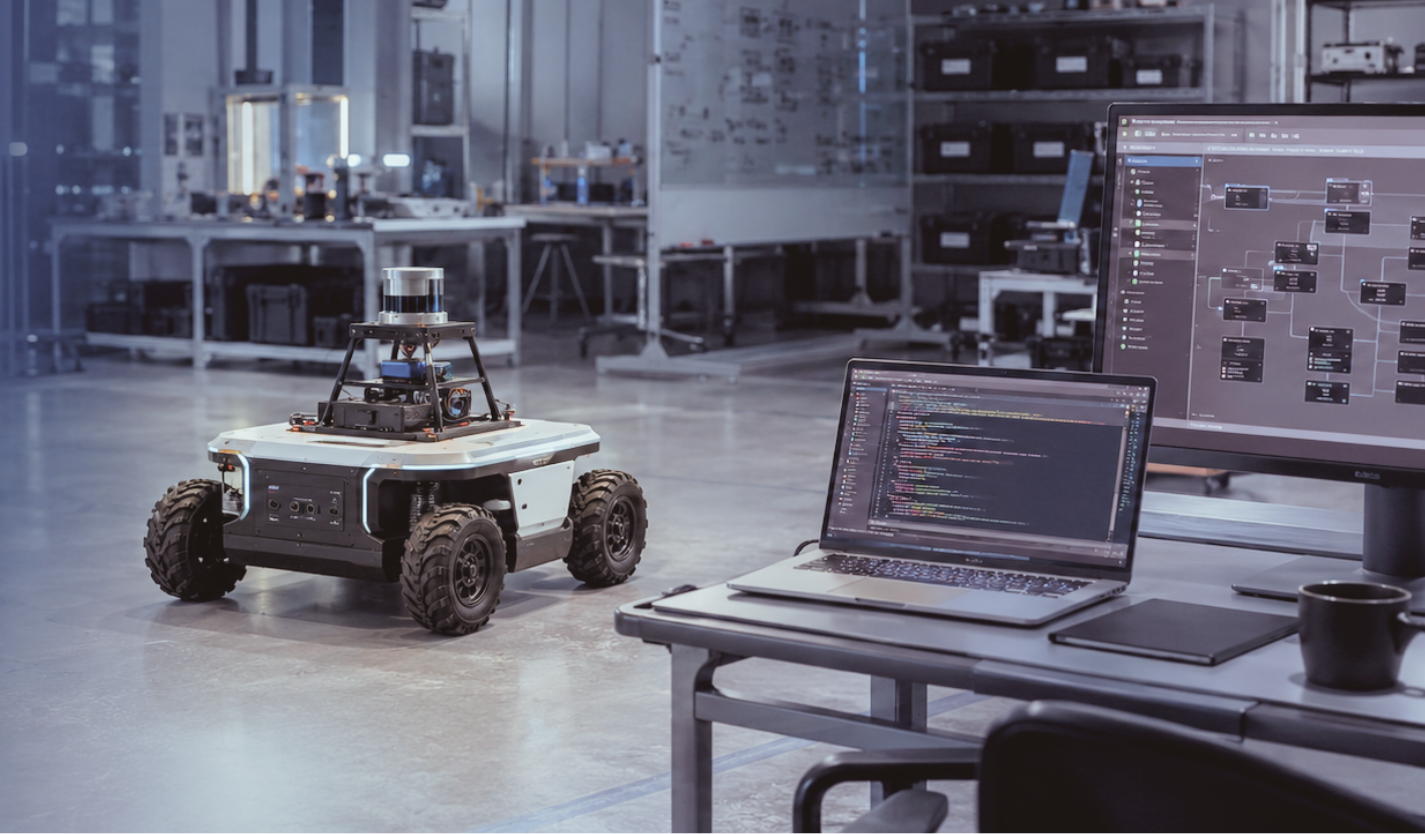
Structured and reliable software for autonomous vehicles and robots. With clear software architectures, ROS 2, modern C++20 and Python, we build maintainable autonomy systems that are ready for use in operational environments.
Structured software for autonomous systems
Autonomy depends on more than algorithms alone. The software behind an autonomous vehicle or robot must be structured, reliable and maintainable, especially when the system grows in complexity.
Our work starts with architecture. Before writing code, we define responsibilities, interfaces, data flows and system boundaries. This gives development teams a clear structure and reduces integration risks later in the project. It also helps autonomy software, hardware and deployment requirements work together as one coherent system.
A toolbox-driven way of working supports this approach. Reusable components, libraries and development tools allow us to build on proven software elements instead of starting from scratch for every platform. This makes development more efficient while keeping room for the specific requirements of each autonomous system.
Our autonomous software development skillset is built on ROS 2, modern C++20 and Python. Each technology is used where it adds the most value: ROS 2 for middleware and system communication, C++ for performance-critical software and Python for tooling, testing and development support.
Our autonomous software toolbox
Architecture and system design
Clear system architectures, component diagrams and interface definitions guide development and reduce integration risk.
ROS 2 Middleware layer
Reusable ROS 2 nodes, components, lifecycle patterns, and communication structures that form a solid backbone for autonomous systems.
Core Software Components
Well-tested building blocks for state handling, configuration, diagnostics, logging, and system health monitoring.
Performance-Critical Implementations
Efficient C++20/23 components for real-time and high-performance requirements, designed with predictability and safety in mind.
Python Toolin
Python-based tooling for rapid development, testing, and operational support.
Development & Debug Tooling
Internal tools support simulation, testing, profiling and debugging, enabling faster iteration and higher software quality.
Industries we serve
- Energy
- Agri & Food
- Industrial systems & automation
- Mobility
- Martime
Applications of our autonomous software development
- Converting ROS 1 to ROS 2 for autonomous platforms | ROS 2 migration
- Applying proven software development discipline.
- Managing complex software dependencies.
- Building on an industry-validated software stack.
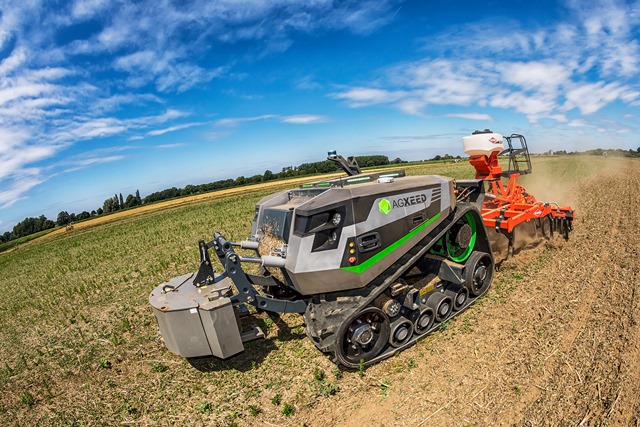
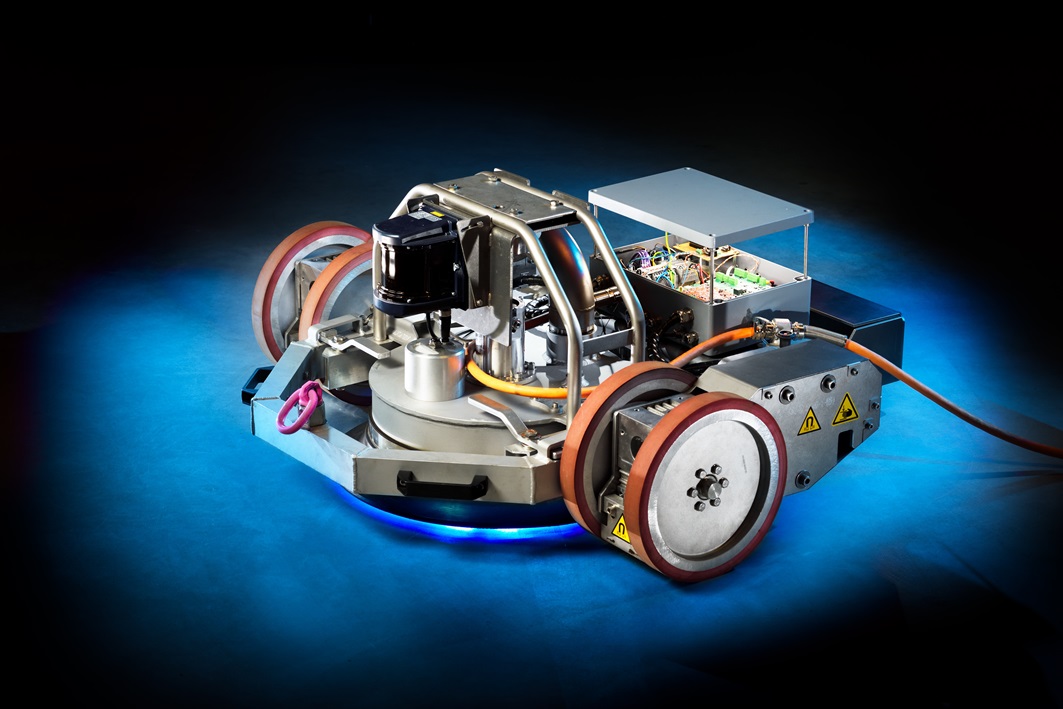
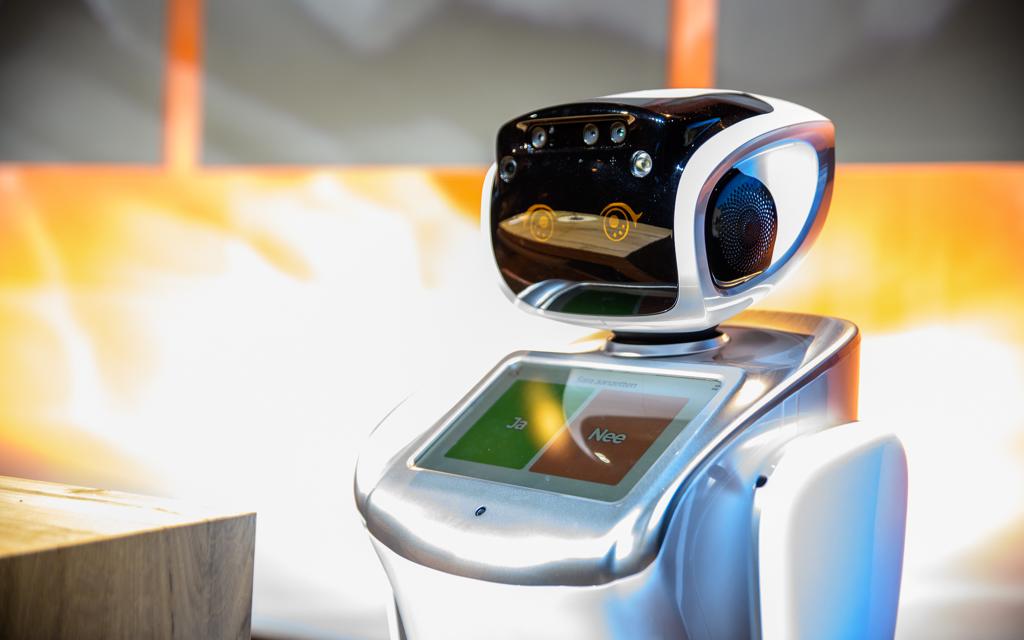
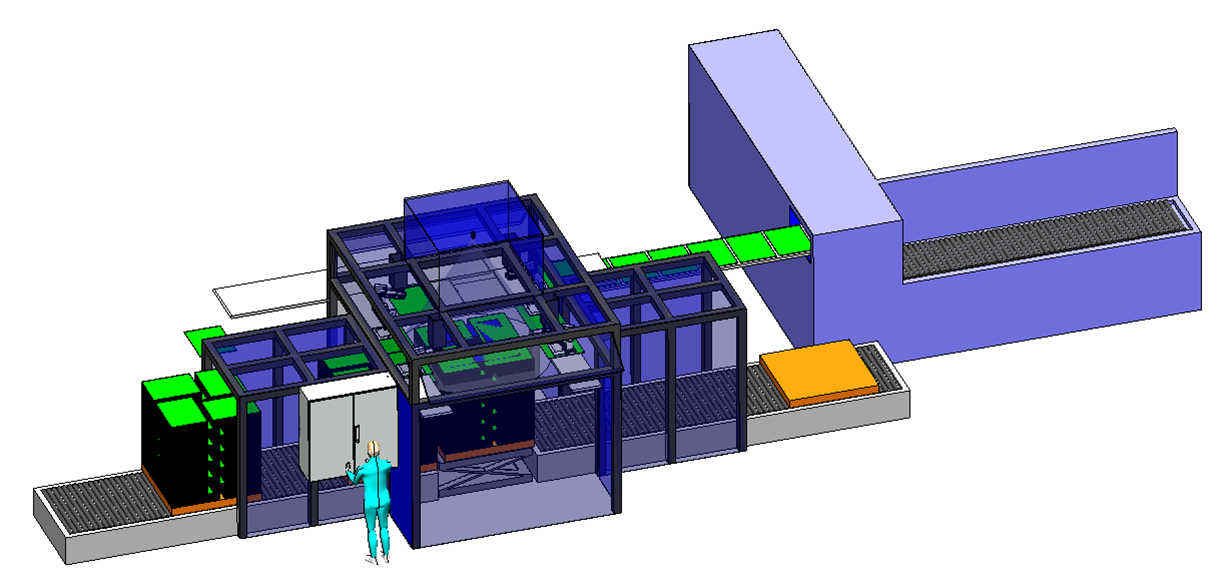
Some of our work involving autonomous software development
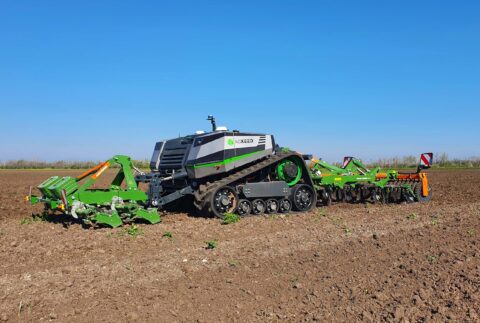
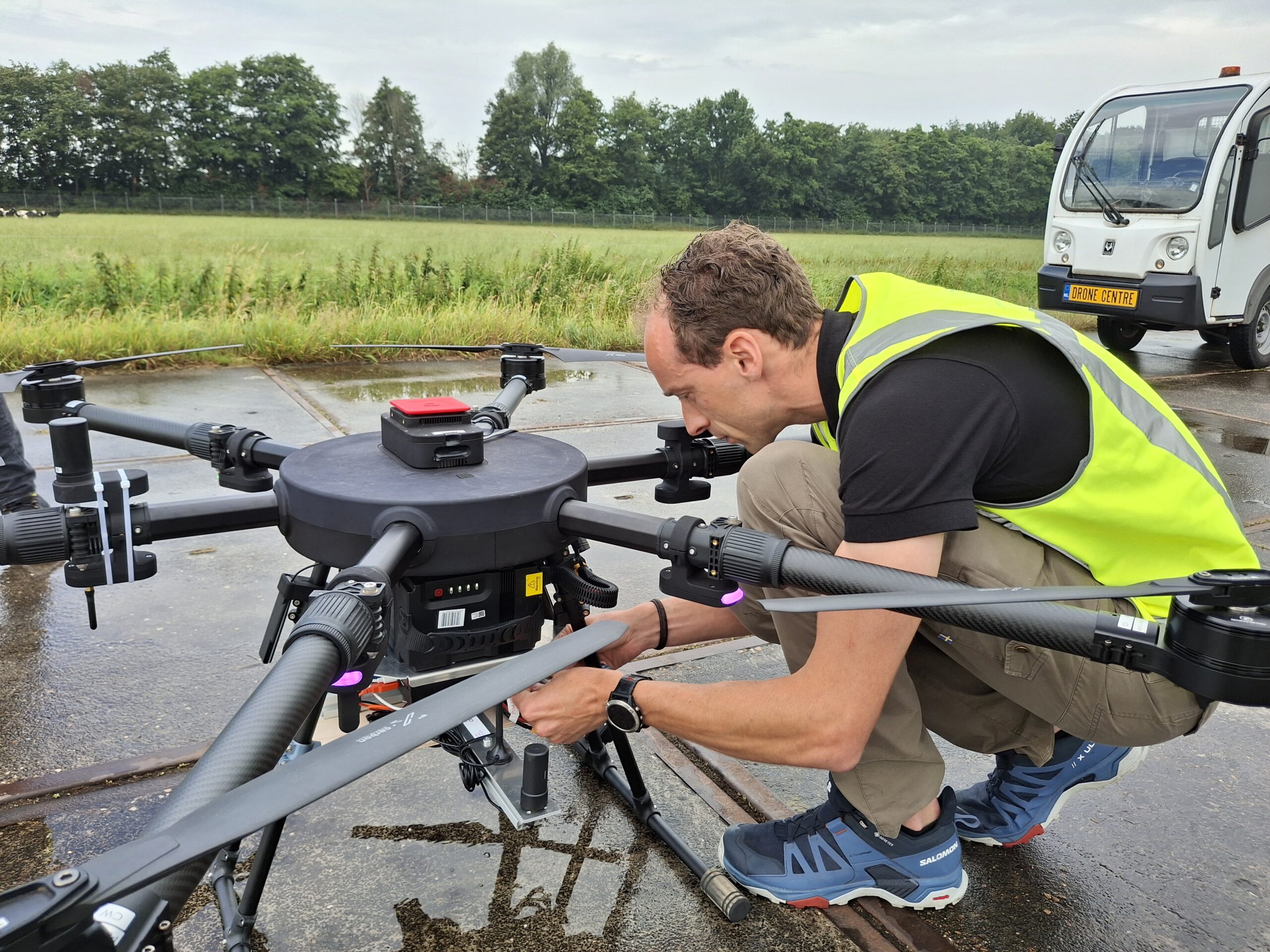
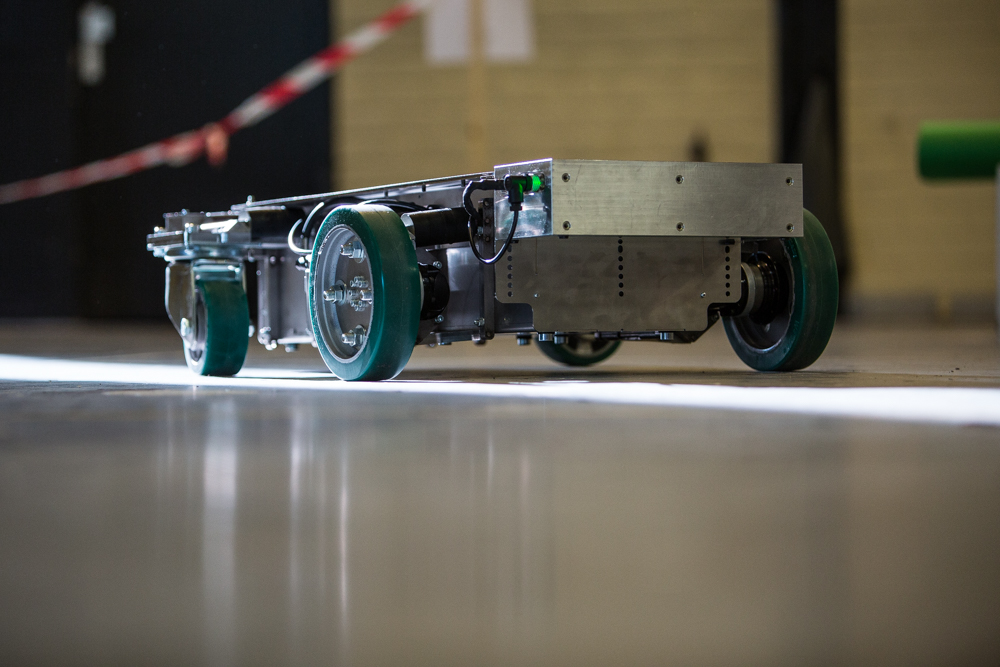
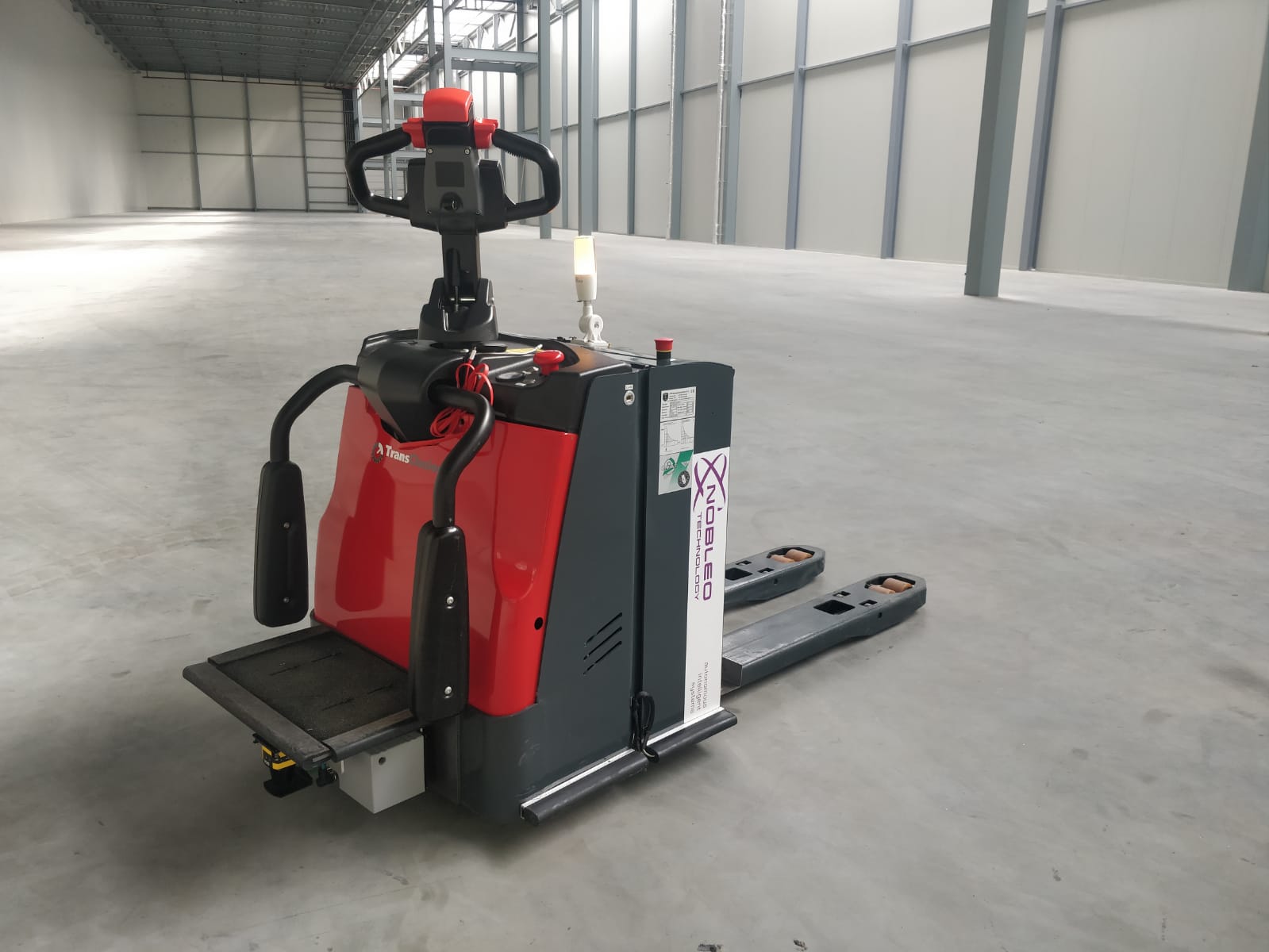

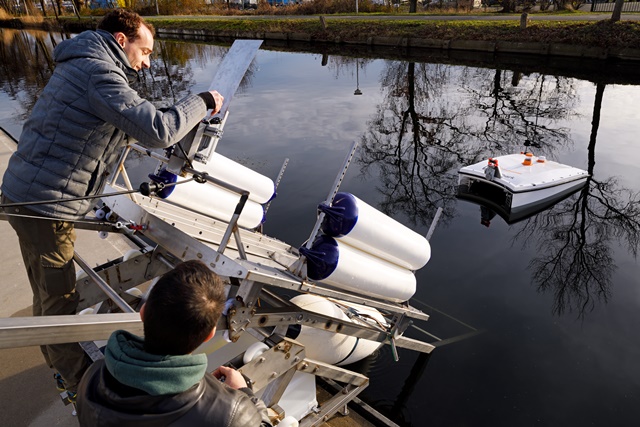


Contact us for more information about how we can help you with our autonomous software expertise
"*" indicates required fields
Can I help you?

Trusted by industry leaders







Frequently Asked Questions
What software development challenges can Nobleo help solve for autonomous systems?
We help solve software challenges across the full autonomy stack, from system architecture and middleware integration to navigation, perception and control software. Our focus is on developing reliable, maintainable and scalable software that enables autonomous systems to operate effectively in real-world environments.
Can Nobleo support both prototype development and production-ready autonomous software?
Yes. We support the complete development trajectory, from proof-of-concept and prototype development to production-ready autonomous software. Throughout the process, we focus on software quality, maintainability and scalability to ensure solutions can continue to evolve as products move towards deployment and long-term operation.
How do you develop autonomous robotics software that remains scalable and maintainable?
Scalability and maintainability are considered from the start of development. We use modular software architectures, clearly defined interfaces and proven development practices to create software that can grow with the system. This makes it easier to introduce new functionality, integrate additional hardware and maintain the software throughout its lifecycle.
How do you approach software architecture for autonomous systems?
We develop software architectures that support the different functions required within autonomous systems, such as perception, decision-making, navigation and hardware integration. The architecture is designed to remain flexible and scalable, allowing new capabilities and technologies to be added without requiring major redesigns.
Can autonomous software be integrated with existing robotic platforms and embedded systems?
Yes. Autonomous software can often be integrated into existing robotic platforms, embedded systems and machine architectures. Depending on the available hardware and software environment, we can extend functionality, improve performance or introduce new autonomous capabilities while building on existing investments.
What are the key considerations when developing software for autonomous systems?
Successful autonomous software development requires more than implementing algorithms. Factors such as software architecture, hardware integration, maintainability, scalability, testing and long-term support all play an important role. Taking these aspects into account from the start helps create autonomous systems that are reliable, adaptable and ready for real-world operation.