

Deployment & Integration focuses on bringing autonomous systems from development into reliable operation. focusses on bringing autonomous systems from development into operation. We ensure software and hardware work together reliably under practical conditions and across different platforms. Our expertise supports controlled rollouts and stable operation from first deployment onwards.
From development to operation
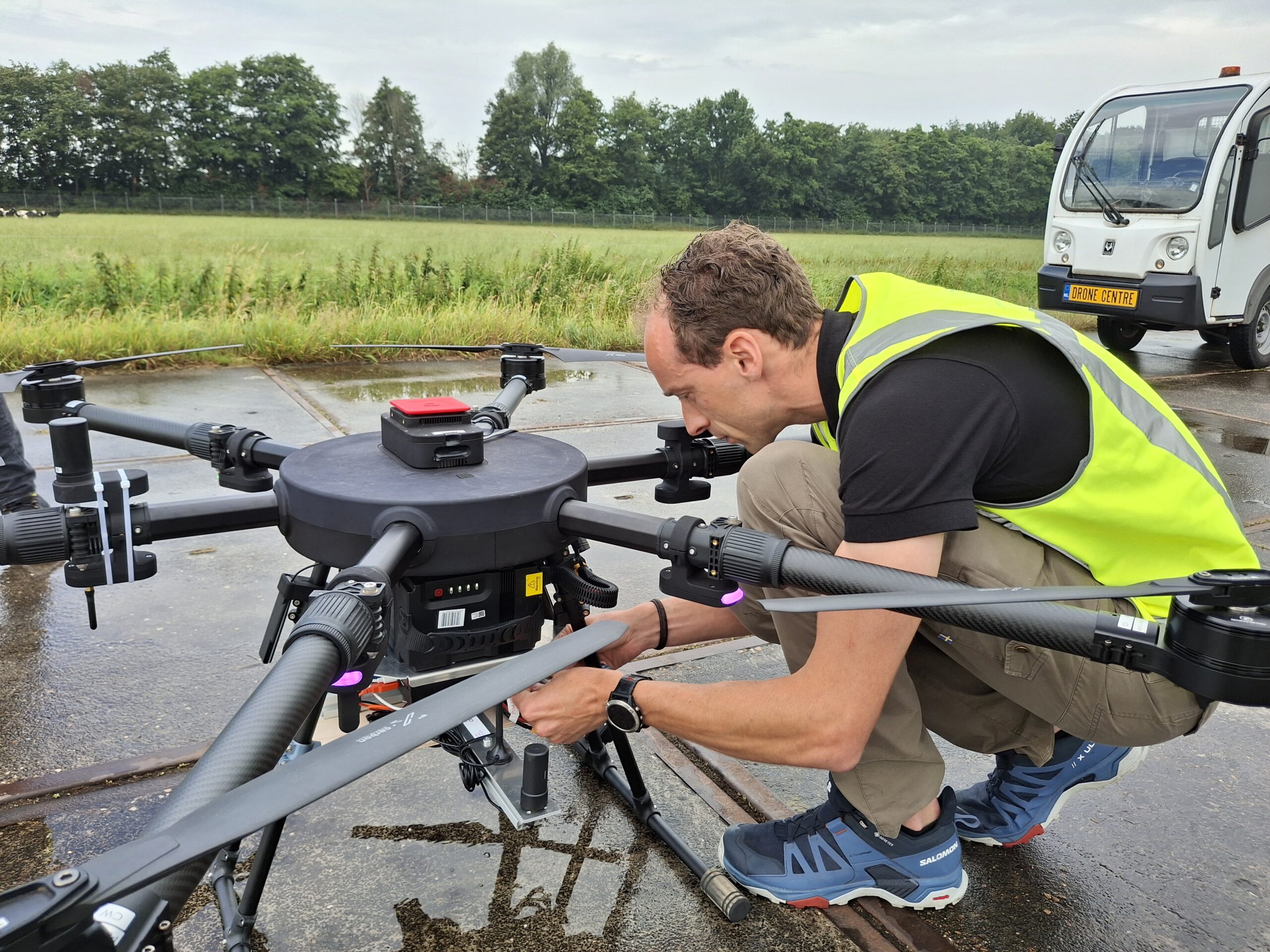
Our Deployment & Integration for Autonomous Systems expertise bridges the gap between development and operational use. Ensuring that robotic software doesn’t just work in theory, but performs reliably in the field is the forefront of our Deployment and Integration expertise. These expertise bridge the gap between development and real-world operation.
We build robust CI/CD pipelines, streamline containerized deployments with platforms like Balena, and tailor solutions to diverse compute environments. From embedded systems to GPUs and edge devices. With deep experience in hardware integration, over-the-air updates, and scalable system orchestration, we help customers bring their autonomous systems online efficiently and confidently.
Whether it’s a single robot or a full fleet, we make deployment smooth, maintainable, and production ready.
Key technical capabilities
CI/CD
Powerful continuous Integration and Deployment ensures automated and tested deployments.
Docker
Containarised deployments ensure seamless portability and consistency across environments.
Hardware integration
Our expertise in Hardware integration ensures your robotic software runs optimally on the right compute, with reliable connectivity between sensors, actuators, and edge hardware.

GPU
Even when your application demands dedicated GPU acceleration for vision or AI workloads, we have the expertise to make it work efficiently.
CI/CD
Powerful continuous Integration and Deployment ensures automated and tested deployments.
Docker
Containarised deployments ensure seamless portability and consistency across environments.
Hardware integration
Our expertise in Hardware integration ensures your robotic software runs optimally on the right compute, with reliable connectivity between sensors, actuators, and edge hardware.
GPU
Even when your application demands dedicated GPU acceleration for vision or AI workloads, we have the expertise to make it work efficiently.
Industries we serve
- Agriculture
- Offshore
- Oil & Gas
- Humanoid Robotics
- Automation
- Logistics
Applications of our Deployment & Integration expertise
- Development of ROS2 plugin for motion capture IMU systems
- ARMx86 compatible
- Jetson GPU support
- Multi level robot deplyment
- Multiple hardware configurations supported in same deployment fleet



Contact us for more information
"*" indicates required fields
Can I help you?

Trusted by industry leaders












Frequently Asked Questions
How does Nobleo Technology ensure autonomous software can be deployed reliably across different hardware platforms?
Reliable deployment starts with designing software that is portable and maintainable. We use containerised deployment approaches, standardised interfaces and automated deployment pipelines to reduce platform-specific dependencies. This allows autonomous software to be deployed consistently across different hardware configurations while simplifying testing, updates and maintenance.
Can you support deployment and integration for both individual robots and autonomous fleets?
Yes. We support deployment and integration for both standalone autonomous systems and larger fleets. Depending on the application, this can include software deployment, hardware integration, fleet monitoring, configuration management and update strategies that allow multiple systems to be managed efficiently throughout their operational lifetime.
How does Nobleo Technology prepare autonomous systems for industrial deployment and long-term maintenance?
Preparing a system for industrial deployment involves more than validating functionality. We focus on maintainability, scalability and operational reliability by implementing structured deployment processes, monitoring capabilities and update mechanisms. This helps ensure systems can be supported, maintained and expanded efficiently after deployment.
Can existing autonomous systems be upgraded to improve deployment, maintainability or scalability?
Yes. Existing autonomous systems can often be upgraded without redesigning the complete platform. Depending on the situation, improvements may include deployment automation, software architecture optimisation, hardware upgrades, fleet management capabilities or more efficient update mechanisms. The goal is to improve operational performance while protecting previous investments.
How does Nobleo Technology minimise deployment risks when moving from development to real-world operation?
Deployment risks are reduced through a combination of automated testing, validation and staged deployment strategies. By identifying integration issues early and validating system behaviour before deployment, potential problems can be addressed before they affect operations. This helps create a smoother transition from development environments to real-world use.
What are the most common challenges when deploying autonomous systems in operational environments?
Common challenges include hardware variability, software dependencies, network connectivity, system integration and maintaining consistent behaviour across different operating conditions. As systems scale from prototypes to operational deployments, maintainability, update management and monitoring often become equally important as the autonomous functionality itself.
How does Nobleo Technology ensure software updates can be deployed safely across autonomous systems?
Safe software updates require a controlled deployment process. We use automated deployment workflows, version control and validation procedures to ensure updates are tested before release and can be rolled out in a predictable manner. This reduces operational risk and helps maintain system stability across individual systems and autonomous fleets.